Carpet, Countertops and Beer: Our Basement Bar Kegerator
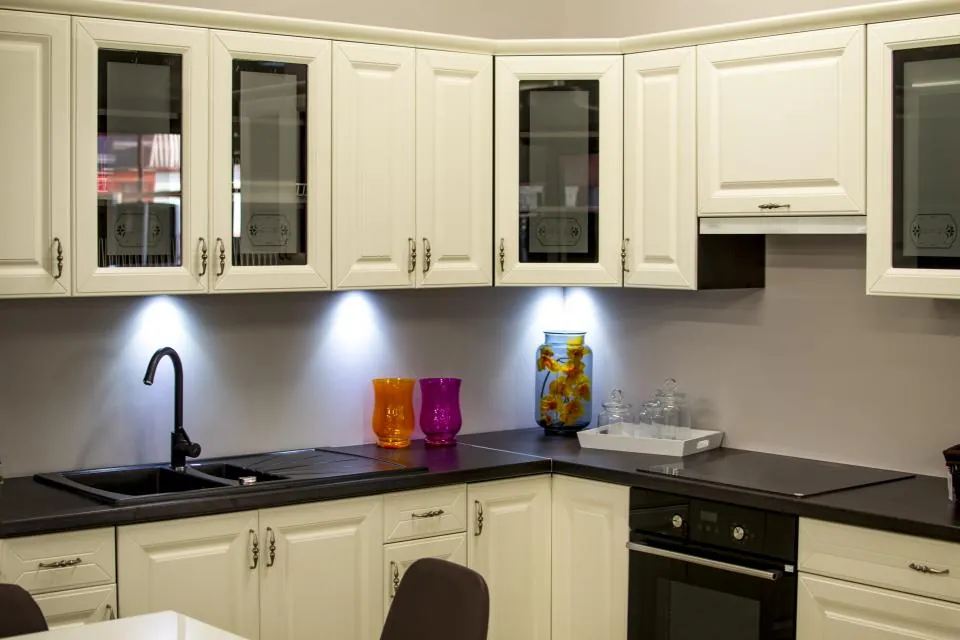
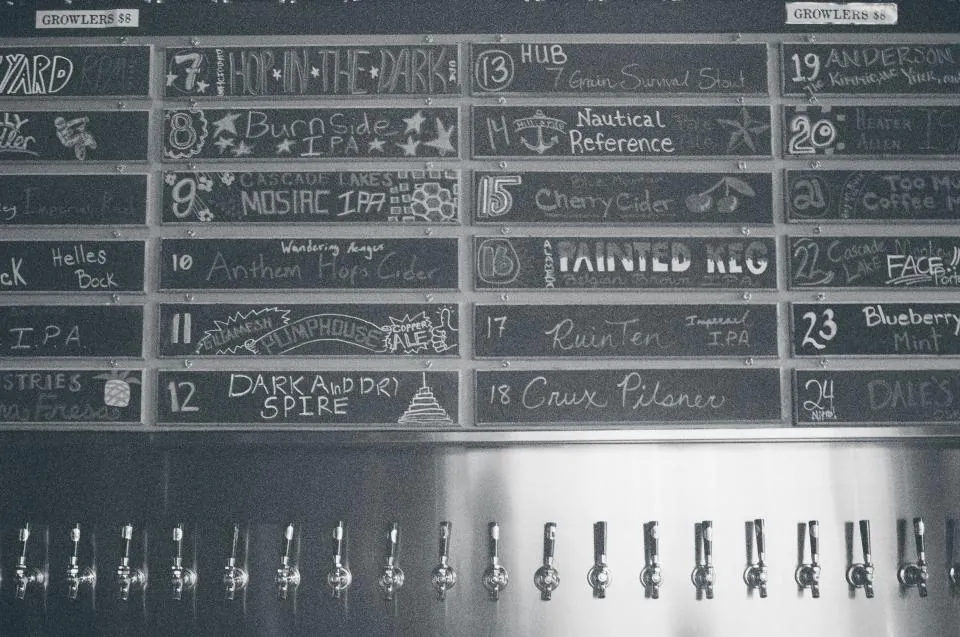
The lower level of a split-level is basically designed for one thing: hanging out. Ours had wall-to-wall 1970s carpet and a sad wet bar. Now it has new carpet, a butcher-block countertop, and a kegerator with a beer tap right on the counter.
Built-in kegerator vs. freestanding
This is the single most important thing we learned: a built-in kegerator needs front ventilation. Most freestanding kegerators vent heat out the back or sides. Shove one under a countertop and it will overheat, run constantly, and die young. If you want an under-cabinet kegerator, buy one rated for built-in use.
- Built-in (front-venting): designed to slide under a counter, zero-clearance on the sides.
- Freestanding: needs several inches of airflow around it. Fine at the end of a counter run.

Choosing a kegerator
We compared a few brands while shopping. Summit and Marvel both make built-in kegerators that fit standard 24" undercounter openings, and Beverage Factory sells a wide range of units, towers and conversion kits. We cared about three things: front venting, a stainless interior, and whether a full-size half-barrel would fit. Read the specs carefully; "fits a keg" sometimes means a sixtel.
The countertop beer tap
Most kegerators come with a tower that mounts on top of the unit. Under a counter, the tower has to go through the countertop instead. That means:
- Drilling a 3" hole through the countertop directly above the kegerator's tower opening.
- Running the beer line up through an insulated column so the beer stays cold all the way to the faucet.
- Using a tower cooling fan if the line is long, or your first pour will be all foam.
And the carpet?
Low-pile, stain-resistant, and a warm gray. Basements get cold in Minnesota, and bare floors down here would be miserable in January. Plus: it hides the occasional drip from the tap. Not that we'd know.